 Atlanta, GA
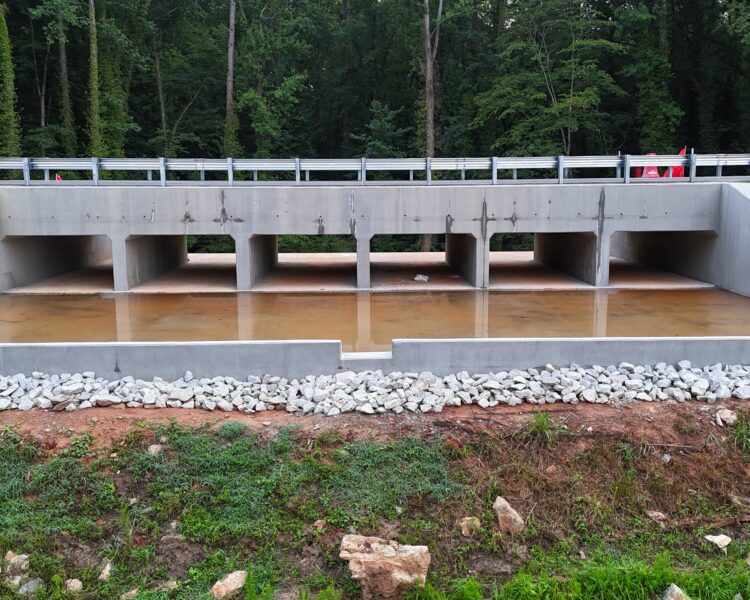
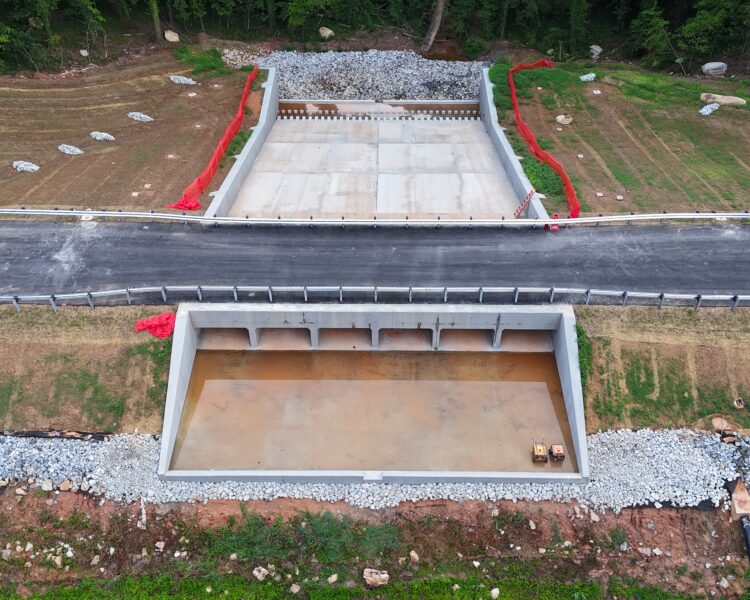
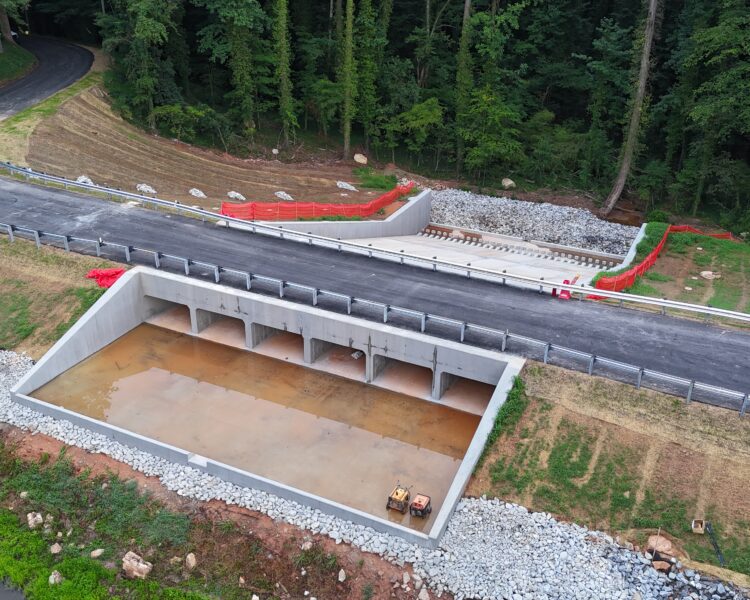
 Rehabilitation of the historic Niskey Lake Dam for the City of Atlanta’s Department of Watershed Management brought the structure into compliance with Georgia Environmental Protection Division (EPD) Safe Dams Program standards. Originally constructed in 1929 for recreational purposes and annexed by the City in the 1970s, the dam required critical upgrades to mitigate risks to downstream properties and meet current safety regulations.
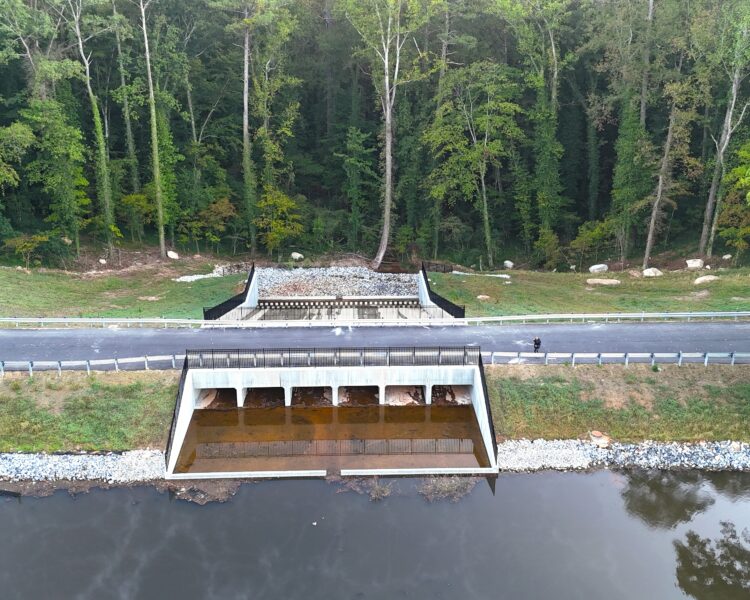
The progressive design-build delivery encompassed surveying, soil and subsurface exploratory testing, permitting, development of design plans, and complete construction execution. Key improvements included raising the dam’s crest by over four feet and introducing a new concrete spillway, transforming the structure from a medium-sized to a large-sized dam classification.
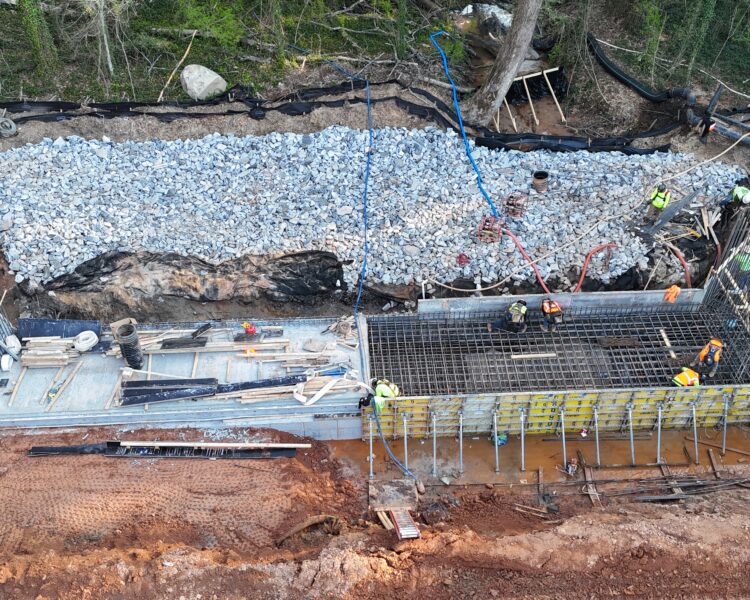
Ruby-Collins self-performed all major construction work, placing 1,700 cubic yards of concrete, over 18,000 cubic yards of select soil, and more than 8,400 tons of stone and aggregate. The completed rehabilitation ensures the Niskey Lake Dam adheres to Georgia’s Rules for Dam Safety, providing enhanced protection for human life and property while ensuring long-term resilience and functionality for this historic Atlanta landmark.
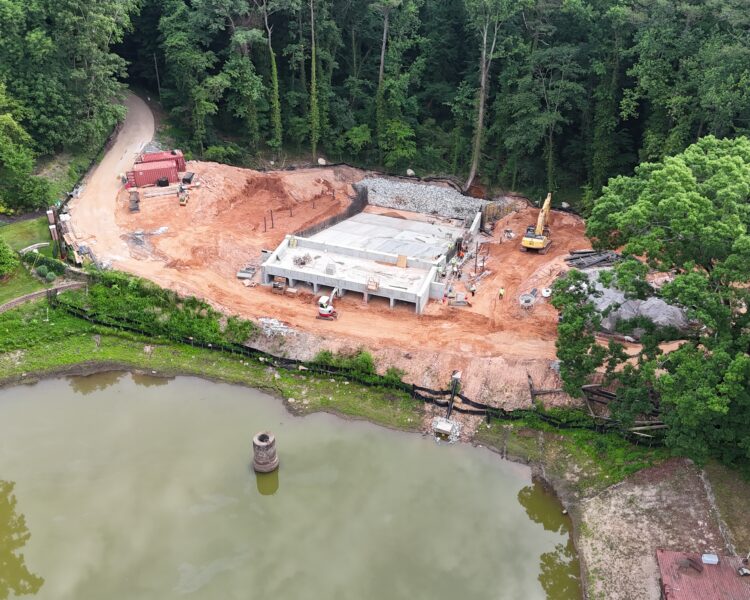
The project required careful coordination across geotechnical, hydraulic, structural, environmental, and construction phases to successfully replace the failing earthen dam with a new concrete spillway.
One of the first challenges was surcharging the site to achieve a stable foundation despite adverse weather conditions. The team worked extended hours and weekends alongside the geotechnical engineer to ensure proper settlement within the required timeframe.
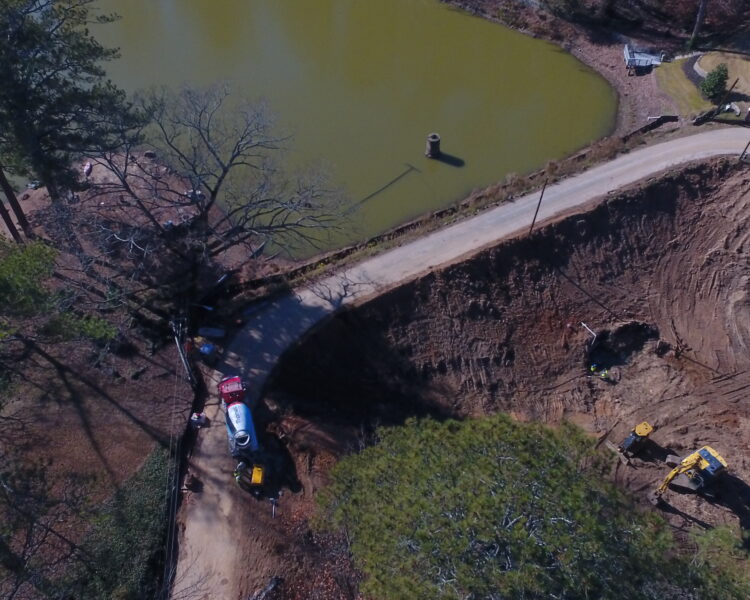
Limited site access added another layer of complexity, as large trucks, cranes, and standard pump equipment could not reach the area. This required creative planning for design, material procurement, and construction execution.
Dewatering operations adjacent to the lake also demanded constant monitoring to maintain safe water levels for surrounding wildlife, with conditions ranging from flooding to drought throughout the project.
Finally, steep terrain and extreme heat made concrete placement difficult. The team collaborated with engineers to modify the mix design, improving workability while still meeting strength and durability requirements.



 See All Projects